Top Marketing Design Trends to Enhance Your Brand Presence


Embracing Minimalism in Design
In recent years, minimalism has become a dominant trend in marketing design. This style focuses on simplicity, using clean lines and ample white space to create a visually appealing and uncluttered look. By reducing distractions, minimalism allows your core message to shine through, making it easier for audiences to absorb and engage with your content.
Brands adopting minimalistic designs often benefit from a more professional appearance. This trend is particularly effective for businesses looking to convey a sense of elegance and sophistication. Key elements include a limited color palette, simple typography, and strategic use of imagery.

Utilizing Bold Colors and Gradients
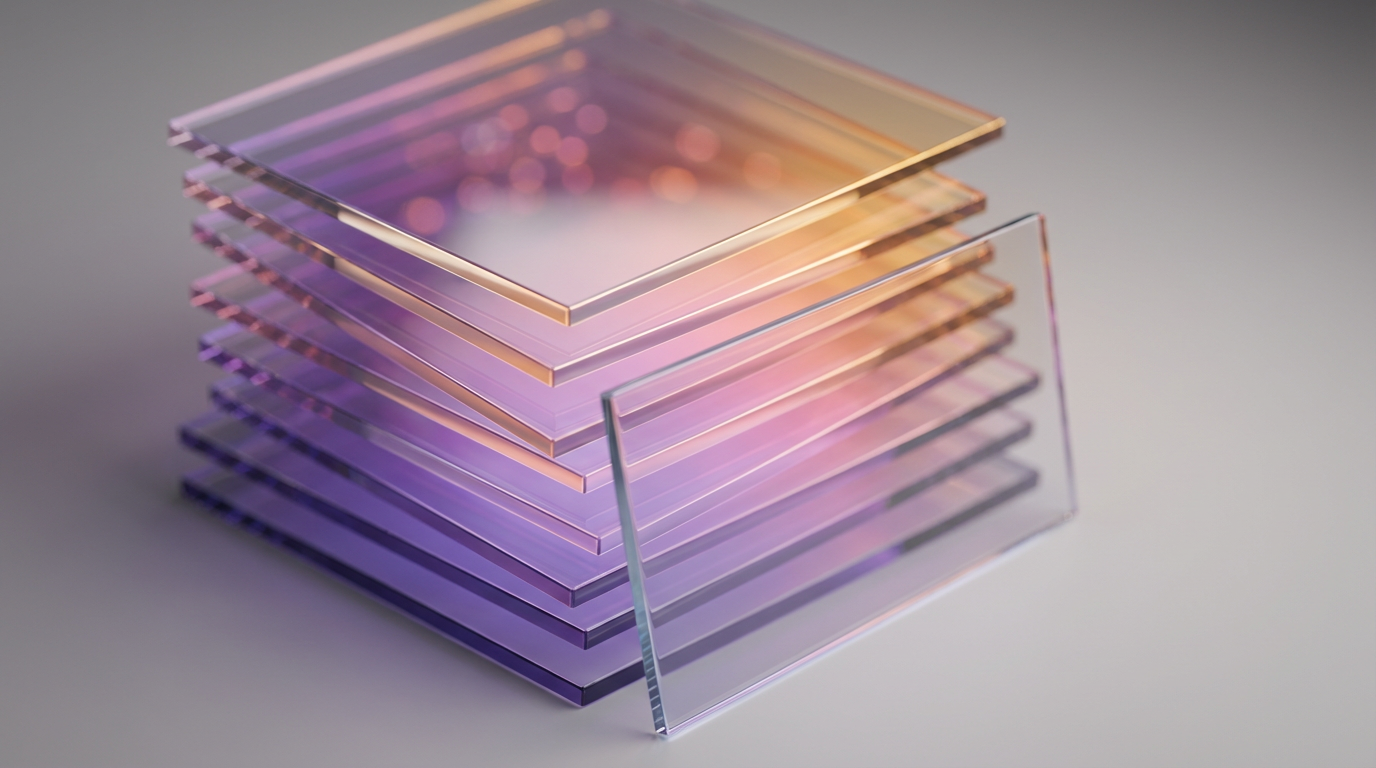
While minimalism focuses on simplicity, another trend gaining traction is the use of bold colors and gradients. These elements can add depth and vibrancy to your marketing materials, capturing attention and leaving a lasting impression. Bold colors can evoke specific emotions and help differentiate your brand from competitors.
Gradients, in particular, have made a comeback, adding a modern twist to traditional color schemes. By blending multiple hues, gradients create a dynamic and eye-catching effect that can be used in various design elements, from backgrounds to text overlays.
Incorporating Asymmetrical Layouts
Asymmetrical layouts are breaking the mold of traditional, grid-based design. This trend introduces a sense of movement and unpredictability, making your marketing materials stand out. Asymmetrical designs can guide the viewer's eye across the page in a more natural and engaging way.
When done right, asymmetrical layouts can add a unique flair to your brand’s presence without sacrificing readability. It's essential to maintain a balance between creativity and functionality, ensuring that the design remains user-friendly.

Leveraging Custom Illustrations
Custom illustrations are becoming increasingly popular as brands seek to inject personality and uniqueness into their designs. Unlike stock photos, custom illustrations offer a tailored approach, allowing you to convey specific messages and themes that align closely with your brand identity.
Illustrations can be used across various platforms, from social media posts to website designs, providing a cohesive and visually appealing brand experience. They can simplify complex concepts and add a touch of whimsy to your marketing efforts.
Emphasizing Typography
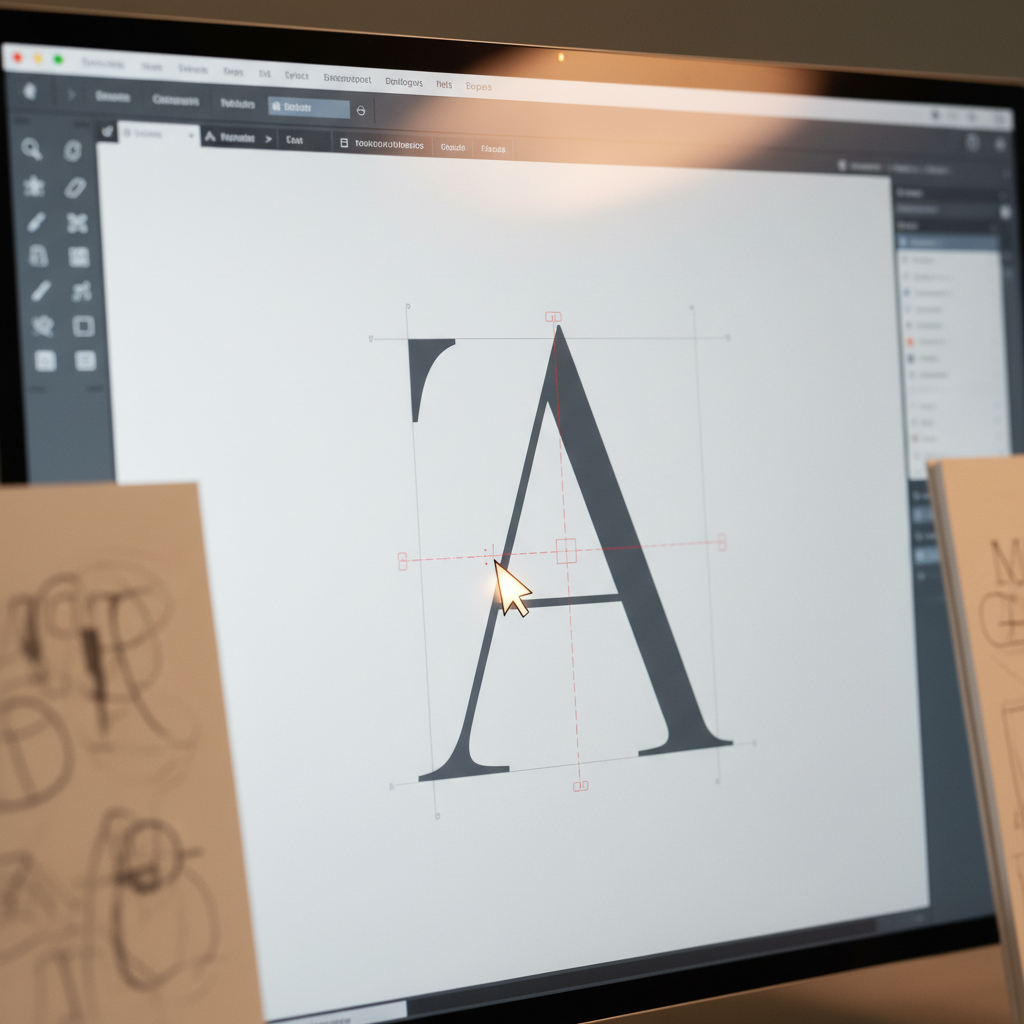
Typography is more than just a means of conveying information; it’s a powerful design tool that can enhance your brand’s voice. The trend of using bold and expressive typography is on the rise, with brands opting for custom fonts and typefaces that reflect their unique personality.
Effective typography can evoke emotions and attract attention. By experimenting with different styles, weights, and sizes, you can create a hierarchy that guides the viewer through your content seamlessly.
Integrating Interactive Elements
Interactive design elements are increasingly being used to engage users and create memorable experiences. These elements can range from simple animations to complex interactive infographics. By encouraging user interaction, you increase engagement and dwell time on your platforms.
Interactive features can also provide valuable insights into user behavior, helping you refine your marketing strategies. As technology advances, incorporating interactive elements will become a crucial aspect of staying competitive in the digital landscape.